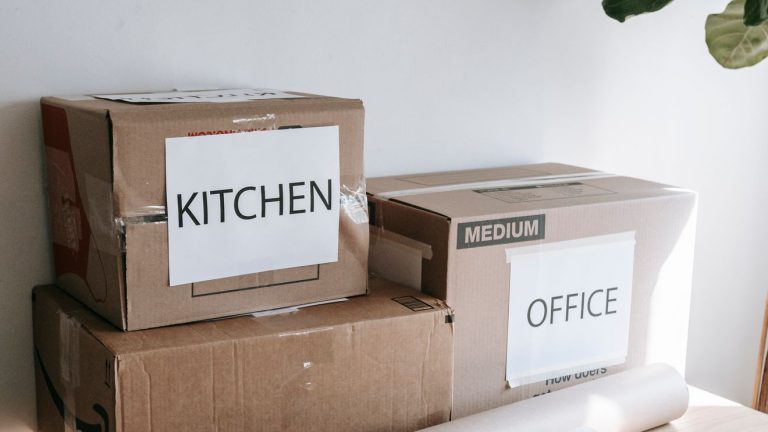

A local move across Los Angeles may cover only a few miles, but the planning can feel surprisingly complex. Traffic, limited curb space, apartment rules, elevators, narrow streets, and changing schedules can all affect how smoothly the day goes. The best way to reduce stress is to break the move into small decisions and complete them in the right order.
This eight-week checklist gives you a practical timeline for organizing a local move without trying to do everything during the final weekend.
Eight weeks before moving day
Confirm the basic plan
Start with the information that controls every other decision: your move date, pickup address, delivery address, approximate home size, and whether either property has special access conditions. Check stairs, elevators, gated entrances, parking restrictions, loading zones, and the distance from the nearest legal truck space to the front door.
If you are renting, review your lease for move-out requirements. Some buildings require advance notice, a reserved service elevator, protective floor coverings, or a certificate of insurance from the moving company. Ask the new building the same questions so you do not solve the pickup side while overlooking the delivery side.
Create a simple moving inventory
Walk through every room and list the largest items first: beds, sofas, dining tables, desks, appliances, shelving, patio furniture, televisions, artwork, and unusually heavy pieces. Add an approximate number of boxes. A clear inventory helps a moving company recommend the right crew, truck, equipment, and time window.
Six to seven weeks before moving day
Choose what is actually moving
Moving is easier when you do not pay to transport items you no longer use. Sort belongings into four groups: keep, donate, sell, and discard. Begin with storage spaces, closets, the garage, and rooms that contain rarely used items. These areas usually hold the most unnecessary volume.
Do not wait until moving day to decide whether an old bookcase or worn mattress is coming with you. Last-minute decisions slow loading and can change the amount of truck space required.
Collect important records
Create one physical or digital folder for your lease, keys, parking instructions, building contacts, moving documents, utility confirmations, receipts, and photographs of valuable items. Keep this folder with you rather than packing it inside the moving truck.
Four to five weeks before moving day
Begin packing low-use rooms
Pack seasonal clothing, books, decorative items, guest-room contents, extra linens, and anything you will not need during the next month. Use sturdy boxes and avoid making large boxes too heavy. Books, dishes, tools, and pantry items are usually safer in smaller cartons.
Label each box with the destination room and a short description. “Kitchen — everyday dishes” is more useful than simply “Kitchen.” Add “Open First” to boxes containing items you will need immediately.
Plan for traffic and parking
Los Angeles travel time can change significantly by neighborhood, time of day, construction, school traffic, and local events. Your moving company can plan the route, but you should provide accurate parking and access information. If a permit or building reservation is required, begin the process early.
Two to three weeks before moving day
Handle utilities and address changes
Schedule electricity, gas, water, internet, and other services so the old home remains functional through move-out and the new home is ready when you arrive. Update your address with banks, insurance providers, subscriptions, employers, schools, medical offices, and delivery services.
Prepare children and pets
Decide where children and pets will stay while doors are open and furniture is moving. A quiet room, trusted friend, daycare arrangement, or pet boarding plan can reduce stress and prevent accidents. Update pet identification information before the move.
Confirm specialty items
Tell the moving company about pianos, safes, oversized artwork, glass tables, exercise equipment, antiques, large plants, or anything that may require extra preparation. Surprises are difficult to manage when the crew is already at the door.
One week before moving day
Finish most packing
At this point, only daily essentials should remain unpacked. Prepare a suitcase or overnight bag for each household member. Include medications, chargers, toiletries, a change of clothes, basic tools, paper towels, trash bags, snacks, bottled water, and important documents.
Prepare appliances and furniture
Use or donate perishable food. Defrost and dry the refrigerator if it is moving. Remove loose shelves and accessories where appropriate. Back up computers, secure cables, and photograph electronics before disconnecting them. Empty drawers unless the mover has specifically confirmed that lightweight contents may remain inside.
Confirm final details
Reconfirm the date, arrival window, addresses, parking instructions, gate codes, elevator reservations, contact numbers, and payment method. Notify the moving company about any inventory or access changes.
The day before the move
- Charge phones and portable batteries.
- Place keys, documents, medication, and valuables in a clearly marked personal bag.
- Set aside items that should not be loaded.
- Protect a small area for pets or children until they leave the property.
- Make sure hallways and entrances are clear.
- Photograph the condition of valuable furniture and both properties.
Moving day
Walk through the home with the crew leader and point out fragile, high-value, or non-moving items. Keep your phone available and avoid blocking the crew’s path with unpacked belongings. Before leaving, inspect closets, cabinets, the garage, balcony, storage areas, and appliance spaces.
At the destination, direct boxes to the correct rooms as they arrive. Check large furniture placement before the crew leaves; moving a sofa or bed a few feet is much easier while the proper equipment is still available.
A smoother Los Angeles move starts with accurate information
The most useful preparation is not complicated. Provide a complete inventory, explain access conditions, finish packing before the crew arrives, and keep essential documents with you. When the plan reflects the real conditions at both addresses, the day becomes more predictable for everyone.
Planning a local move?
CaliGo Movers can help you organize the details of your Los Angeles relocation and prepare an estimate based on your inventory, access conditions, and requested services.