The kitchen is often the slowest room to pack. It contains fragile dishes, heavy cookware, sharp tools, small appliances, food, liquids, and many items with irregular shapes. A good system protects breakables while keeping boxes light enough to carry safely.
The key is to pack by category, use the correct box size, and leave only a small group of daily essentials for the final days.
Gather the right packing materials
Use strong small and medium boxes rather than relying on oversized cartons. Kitchen items become heavy quickly. You will also need packing paper, tape, markers, resealable bags, dividers for glasses when available, and towels or clean linens for extra cushioning.
Avoid using newspaper directly against dishes because ink can transfer. Bubble wrap is useful for delicate pieces, but clean packing paper is usually sufficient for everyday plates and bowls when used generously.
Declutter before you pack
Check expiration dates and remove food you will not use. Donate unopened shelf-stable items where accepted. Recycle duplicate containers, damaged cookware, and appliances that no longer work. Moving half-empty bottles, expired spices, and unused gadgets adds weight without adding value.
Separate items that movers generally should not transport, including flammable products, certain chemicals, open liquids, and perishables. Ask your moving company for its prohibited-items list.
Pack dishes vertically
Place a layer of crumpled packing paper at the bottom of a small box. Wrap each plate individually, then place plates upright on their edges rather than stacking them flat. Vertical placement reduces pressure across the center of the plate.
Fill empty spaces with crumpled paper so the contents cannot shift. Add another cushioning layer at the top. The box should close without bulging and should not rattle when moved gently.
Protect bowls and mugs
Wrap bowls individually and nest only when there is paper between each piece. Do not force different sizes together. Fill the open space in large bowls with paper.
For mugs, protect handles carefully. Wrap the handle first, then wrap the entire mug. Place mugs upright in the box with cushioning between them. Do not use handles as convenient gaps for other objects.
Pack glasses and stemware
Stuff a small amount of paper inside each glass, then wrap the outside. For stemware, support the stem with folded paper before wrapping the whole piece. Use a divided carton when possible and keep glassware upright.
Do not place heavy dishes above glasses. If a box contains multiple layers, use a firm cardboard divider and keep the lightest pieces at the top.
Handle pots, pans, and lids
Clean and dry cookware completely. Nest pots and pans with paper or a clean towel between surfaces to prevent scratches. Wrap glass lids separately and place them vertically along the side of a box, protected by cushioning.
Remove detachable handles when practical and place screws or small components in labeled bags. Tape the bag to the corresponding item or keep all hardware in one clearly labeled container.
Pack knives safely
Never place loose knives in a box. Use blade guards when available. Otherwise, wrap each knife in several layers of paper, secure the wrapping with tape, and bundle knives together with the handles aligned. Mark the package clearly so the sharp end is obvious during unpacking.
Place the bundle flat in a box where it cannot shift. Label the outside of the carton “Sharp Items.”
Prepare small appliances
Remove crumbs, water, coffee grounds, oil, and loose accessories. Wrap cords and secure them without taping directly to delicate finishes. Pack removable parts in labeled bags.
Original boxes are helpful but not required. When using a regular carton, choose a close-fitting box, protect the appliance on all sides, and avoid packing heavy objects on top. Photograph complicated assemblies before taking them apart.
Manage pantry items and liquids
Use small boxes for canned goods and jars. Check that every lid is tight. Place containers upright and avoid mixing glass jars with heavy cans unless the box is well divided.
For liquids you are transporting personally, place a piece of plastic wrap under the cap, tighten it, and seal the container inside a bag. Keep cleaning chemicals separate from food. Do not pack leaking or open products.
Create a first-night kitchen box
Set aside a clearly marked box that will be opened immediately. Useful items include:
- Paper towels and trash bags
- Dish soap and a sponge
- One plate, cup, and utensil set per person
- A basic pan or pot
- Coffee or tea supplies
- Bottled water and simple snacks
- Scissors or a box cutter
- Pet bowls and food
- Any daily medications stored in the kitchen
Transport this box where it remains easy to identify. Do not bury it at the back of the truck.
Label boxes for useful unpacking
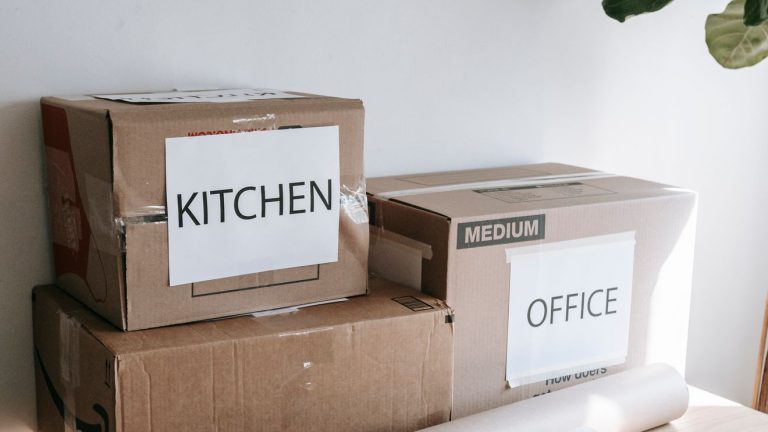
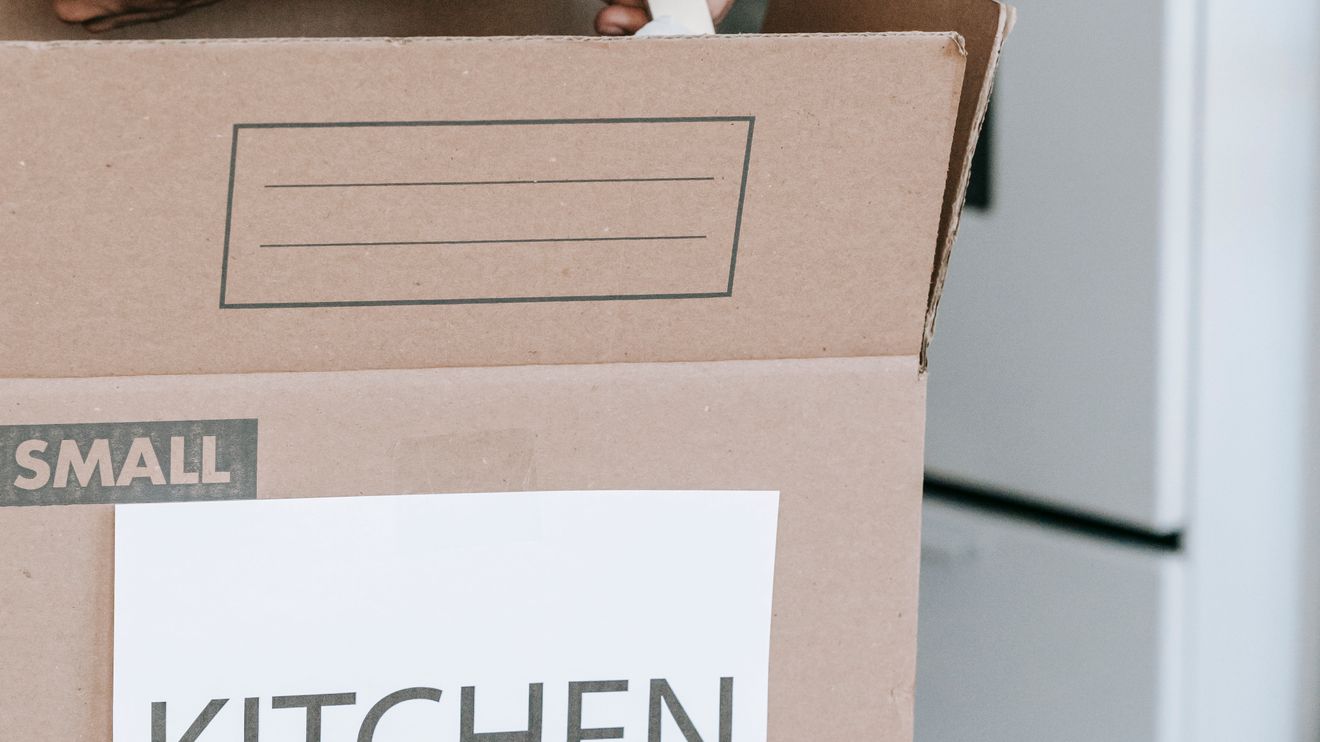
Write “Kitchen” on the top and at least two sides. Add a short description such as “plates and bowls,” “small appliances,” or “pantry.” Mark fragile cartons clearly, but remember that a label does not replace proper packing.
Use a numbering system if you want to track every box. A simple note such as “Kitchen 3 of 8” makes it easier to notice a missing carton.
Common kitchen packing mistakes
- Using large boxes for dishes or canned goods
- Leaving empty space inside cartons
- Stacking plates flat without enough cushioning
- Packing damp appliances
- Mixing food with cleaning products
- Leaving knives loose
- Forgetting to label the box needed first
Need help packing the difficult rooms?
CaliGo Movers can discuss full or partial packing options for your move, including careful preparation of kitchenware and other fragile household items.